Looking up in the Green Heart of Holland.
Citation info : Weeds @1MEMO 20241003 • 1-memo•com • TakeNode 00d56249-4f5a-40e7-b086-317d6d0a8675
Citation info : Weeds @1MEMO 20241003 • 1-memo•com • TakeNode 00d56249-4f5a-40e7-b086-317d6d0a8675
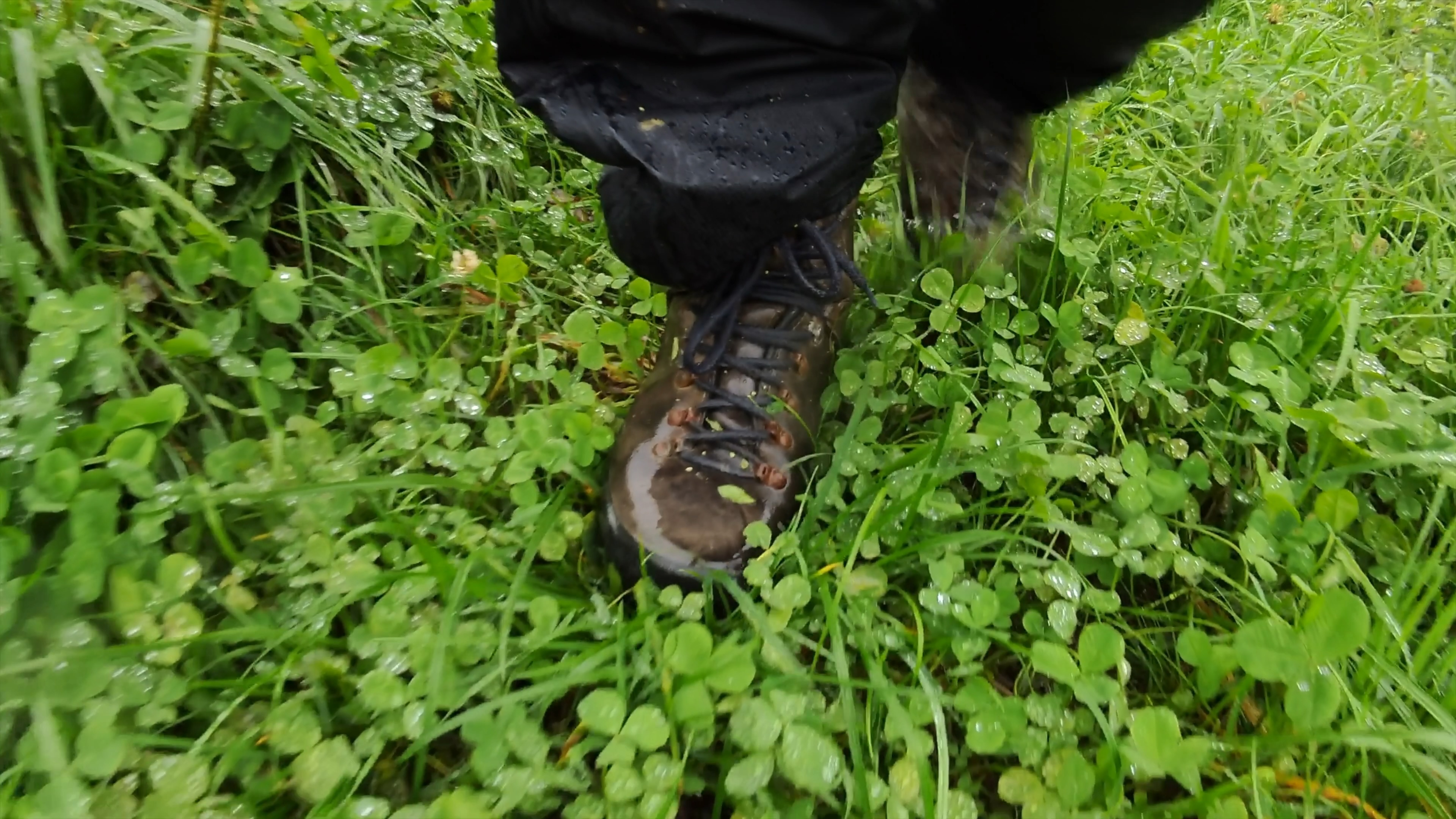
Wandering in the rain in a swampy Green Heart of Holland.
Remastered 4K copy of yesterdays film (20241001). Yesterday’s video display is bad on all platforms I tried : Vimeo, YouTube, and SubStack. To limit display bandwidth I uploaded 720p files to Vimeo and Substack, and an HD (1080p) file to YouTube. To maximize quality all these files were uploaded with minimal compression, as Apple ProRes (422). However , I guess, these platforms do not optimize their conversion methods with more moving details in a 720(-1080p) video. The 720p file uploaded to Vimeo was 1530 MB, and the Vimeo conversion yielded a 720p display file of 38.5 MB : so, 2 to 3 % of the original file (posted 20241001 at 1-memo•com). The YouTube upload was a 2966 MB ProRes file, and the available display file 33 MB , so ca 1 %. The upload to Substack was the same ProRes as uploaded to Vimeo.
I have today uploaded to all platforms the same 1324 MB file (h264 , bit rate 93 Mb/s). At Substack this file will be replacing the video in yesterday’s post (20241001) later today. At YouTube and Vimeo (via 1-memo•com) , these are new posts (20241002). A 4K file yields larger conversion files … whether this improves display quality .. let’s find out.
The original in camera video is ca 3K (Insta360 GO3S Freeframe video 2720×1530 50p). Note that the original film quality is showing in the posted ‘stills’ from that video file (at 1-memo•com).

Vimeo conversion today (20241002) yielded display files of 37 MB (720p) 71 MB (1080p) and 166 MB (1440p), and 300 MB at 2160p. This is looking clearly better at 1080p , and at a big screen nice from 1440p.
YouTube conversion today (20241002) also yields excellent results with the higher resolution files (no further info available via YT on the file sizes of the display videos). Results for SubStack will show later today… at https://1memo.substack.com/p/rain-ramble-1memo-20241001
Citation info : Rain Ramble 4K @1MEMO 20241002 • 1-memo•com • TakeNode 28720cc6-d150-47fe-83a1-18f109d6419e


Citation info : Rain Ramble @1MEMO 20241001 • 1-memo•com • TakeNode f23cb6da-7181-446c-a1da-4fdb90021413
Citation info : Net • Falaise #168 • @1MEMO 20240930 • 1-memo•com | TakeNode af6f8d0a-12a5-4a16-baa7-57abda1005c2
Discovering shellfish along the Normandy – Picardy coast at low tide on the foreshore of the chalk cliffs of the Falaises d’Ault, France … the last week of last summer.
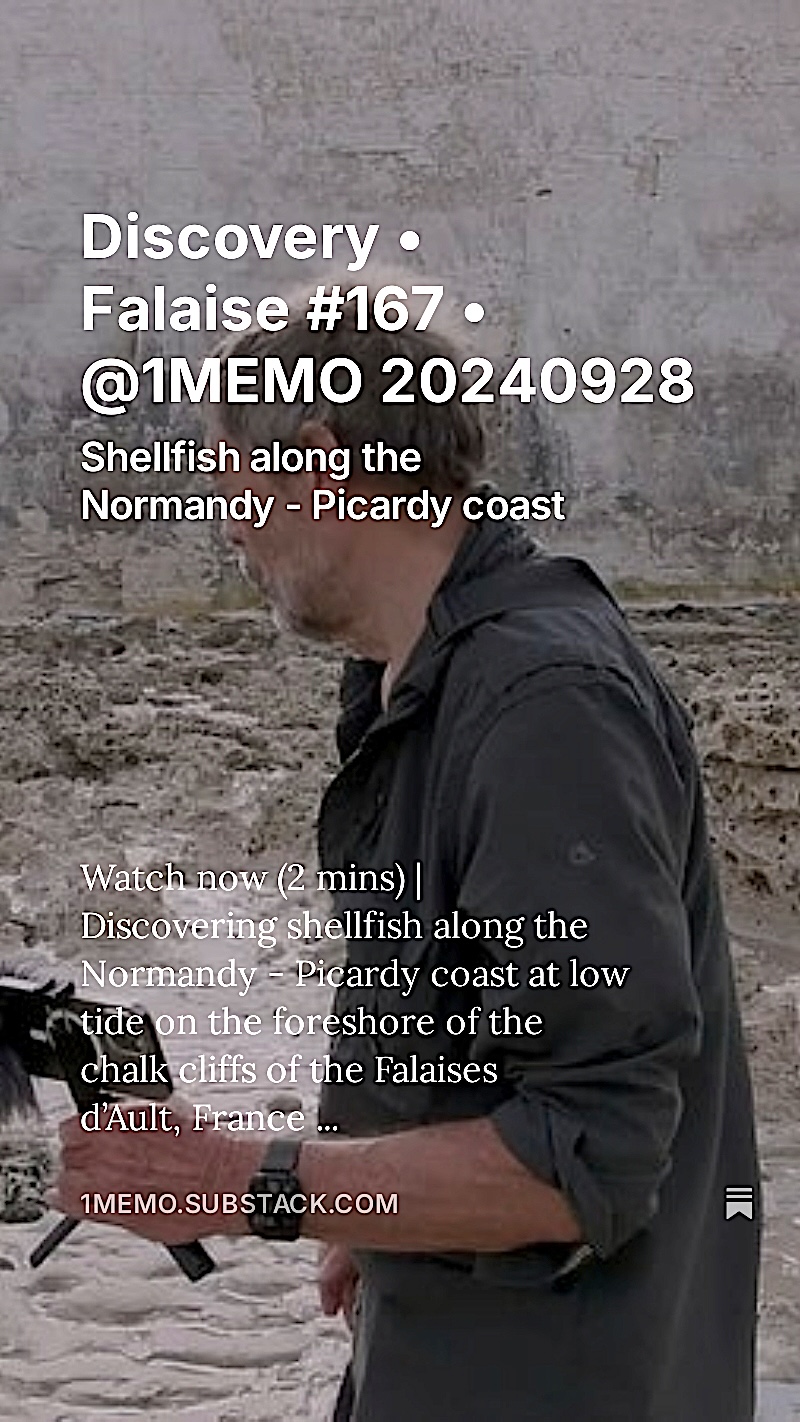
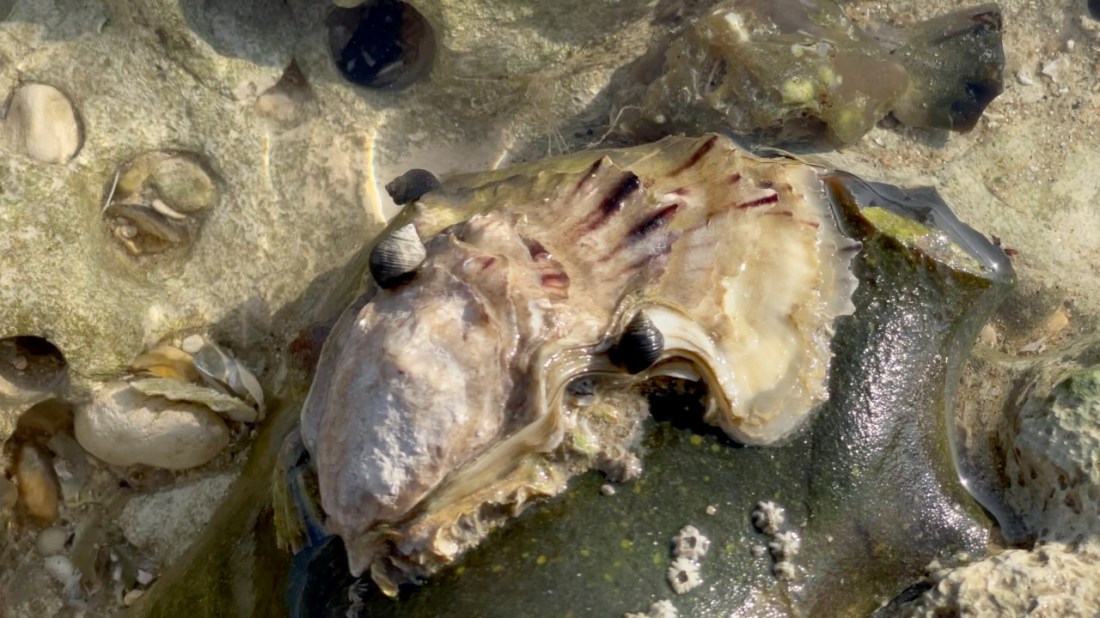

Citation info : Discovery • Falaise #167 • @1MEMO 20240928 • 1-memo•com | TakeNode b999c337-23bd-4d78-b9f1-7229c67bece5

After escaping the treacherous waters of WWII, Captain Jake Rogers leads his crew on a daring mission across Nazi-occupied Europe to rescue the father of his beloved, entangled in a web of espionage, betrayal, and relentless pursuit.
John Winn Miller, a veteran of investigative journalism for decades, masterfully weaves historical detail into his World War II novel Rescue Run. The story follows American ship’s captain Jake Rogers, who, after his U.S. Liberty ship carrying war supplies is wrecked in the North Atlantic, first lands in Ireland. He then sets out with a few of his loyal men on a perilous mission to rescue the father of Miriam Maduro, the love of his life, from the Westerbork transit camp in Nazi-occupied Holland.
A gruelling journey follows from Amsterdam across Nazi-occupied Europe to Spain – on foot, by train, and by boat – via a long series of hiding places, historical locations and events, aided by well-known and lesser-known resistance organisations and historical figures, besieged by con men, double agents, gangsters and pursued by a ruthless Dutch bounty hunter.
As a non-native English speaker, I initially struggled a bit with the first few chapters, particularly the maritime terms and rich language used in the sea adventure with the Liberty ship, besides the introduction of the many characters. However, once past those pages, the novel became a true page-turner. The gripping, almost cinematic narrative had me finishing the book in just two or three days, despite also spending some time online searching for even more historical context, for example when Rogers is helped by the Dutch resistance group ‘Groep 2000’ led by Jacoba van Tongeren, and when characters like Etty Hillesum and Audrey Hepburn appear in the story.
I rarely read fiction these days — almost exclusively occupied with non-fiction — but John Miller’s work intrigued me. I was curious to see how he managed to incorporate the reality of Nazi-occupied Europe, and in particular the Westerbork transit camp, into fiction. The result is exceptional. The blend of fiction and nonfiction strengthens the narrative, bringing the past vividly to life. Miller also provides an extensive set of notes at the end of the book, offering in-depth background information on the events and historical figures featured in the story, detailing also what happened to them after the events of the novel.
I especially appreciate how John Winn Miller brings the wartime past to life in Rescue Run, with accuracy and rich detail, from multiple perspectives. His cinematic storytelling draws readers into a narrative that inspires further exploration of this history.
John Winn Miller is an award-winning investigative reporter, foreign correspondent, editor, publisher, screenwriter, indie movie producer and novelist. | Photo Bancroft Press. | More info at Miller’s website URL https://www.johnwinnmiller.com

Though Rescue Run is a sequel to Miller’s first novel, The Hunt for the Peggy C, no prior knowledge of the first book is required. A summary of the prequel is included for new readers or those needing a refresher.
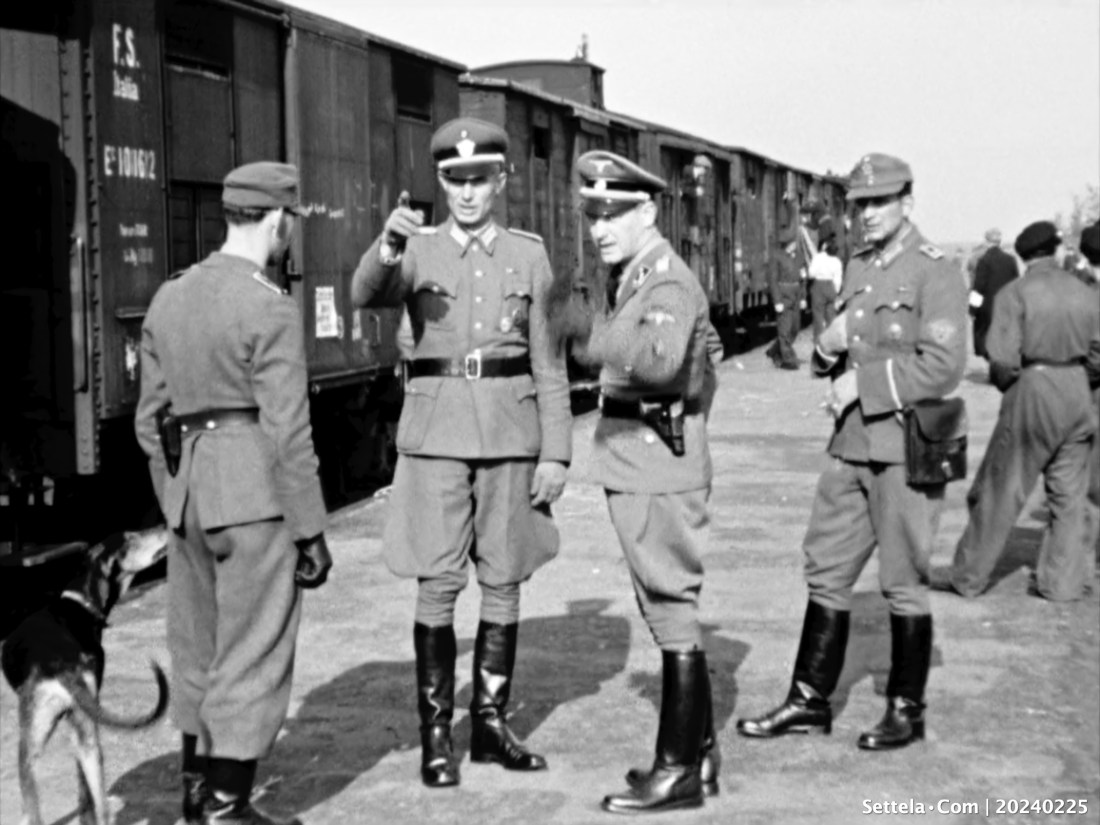
This review was prompted by my contribution of a still (image below) from the Westerbork film for the book jacket/cover, in collaboration with designer Christine Van Bree , and author John Winn Miller.
John kindly provided me with a link for a free download of the Advance Reader Copy on the BookSirens’ platform. Since I’m documenting the Westerbork film through the online magazine Settela•Com, I happily accepted BookSiren’s invitation to join the review team.