Elfstedentocht (Eleven Cities Skating Tour) Thursday 22 januari 1942 with extremely low temperatures, ranging from -33 Celcius at sunrise to -15 later that the day. Despite the German occupation, a record number of participants showed up at the start, 95% of whom managed to reach the finish. After the race, the Leeuwarden Diaconessen Hospital saw an influx of cold-related injuries. Many skaters suffered frostbite, including frostbitten eyes, ears, toes, hands, and even genitals. Some had to undergo amputations of their toes. Three tour riders later died in the hospital as a result of their frostbite injuries. (1). Nazi-approved dutch cinema news ‘Tobis Nieuws’.
Film source: Dutch newsreel by Polygoon (producer) in collaboration with the German Tobis Film for the Nazi controlled cinema news ‘Tobis Nieuws’ (Feb 1942). Courtesy of Netherlands Institute for Sound and Vision (Open Images).
Citation info : Elfstedentocht 1942 Eleven Cities Skating Tour • Michel van der Burg • Miracles•Media • @1MEMO 20260110 • TakeNode c7238e03-68b0-452e-8d16-12d0f0adab74
Film source: Dutch newsreel by Polygoon (producer) in collaboration with the German Tobis Film for the Nazi controlled cinema news ‘Tobis Nieuws’ (Feb 1942). Courtesy of Netherlands Institute for Sound and Vision (Open Images).
Citation info : Ski Holland Extreme Winter 1942 • Michel van der Burg • Miracles•Media • @1MEMO 20260109 • TakeNode 31868145-2645-41de-a3e2-7154313ff6ad
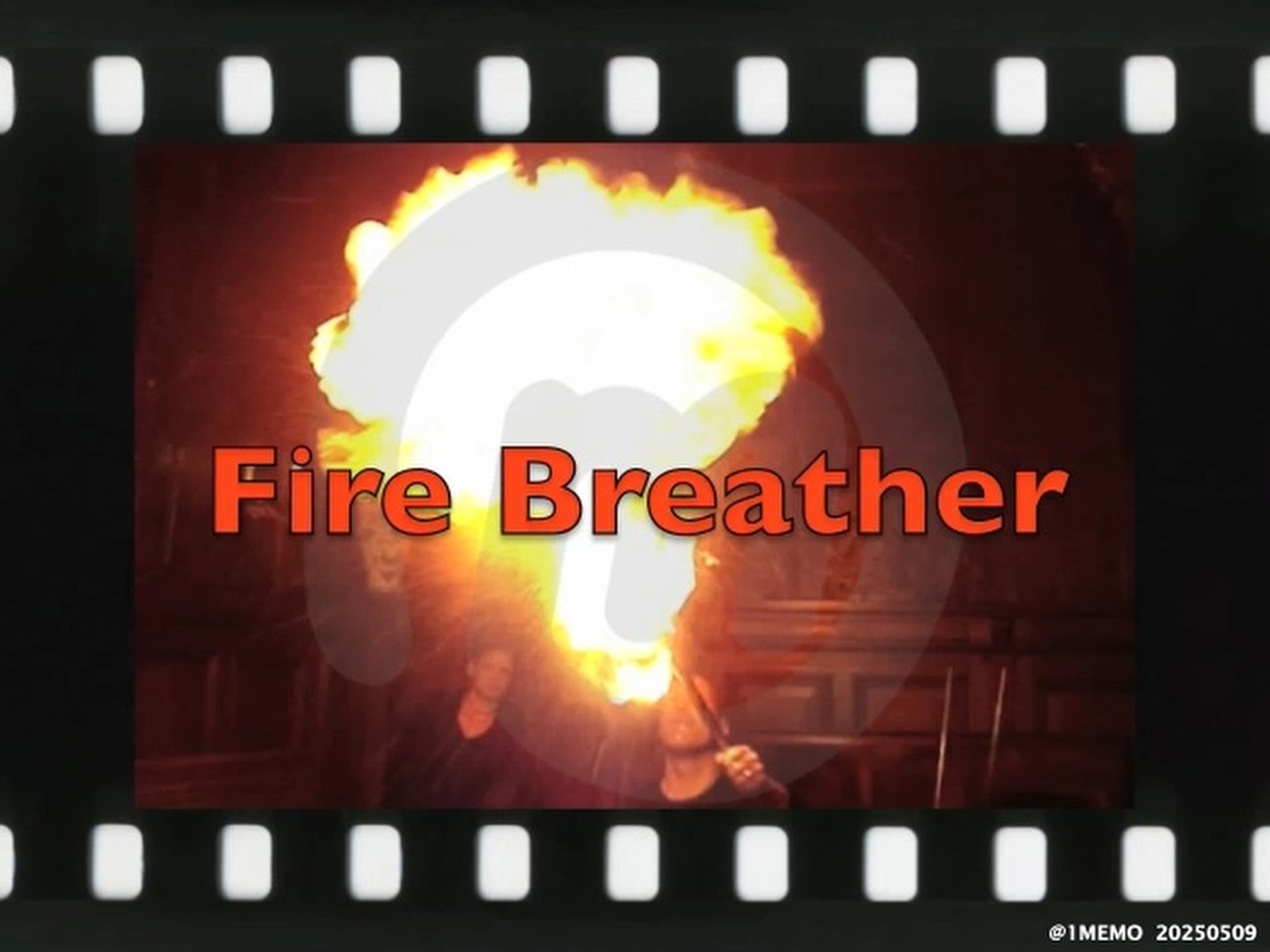
Jun 21, 2007, I started pioneering at YouTube, creating Channel012. The first YouTube video ‘Fire Breather’ was shot at a 4:3 aspect ratio (640×480 pixels) and produced at a 16:9 aspect ratio with black bars for my first YouTube upload on Dec 30, 2007.
Unlisted ‘Fire Breather • 2nd Edition’
Next a 2nd edition of ‘Fire Breather’ was produced at the original 4:3 aspect ratio, and uploaded the next month, Jan 18, 2008. YouTube displayed that 2nd edition at a higher quality. Sometime later though I decided to change visibility of that 2nd edition to ‘unlisted’ in order to preserve and favor the 1st edition views count.
Lost Forgotten Film
More recently that forgotten unlisted 2nd edition video appeared to be lost somehow…until I learned today that YouTube had changed visibility in 2021 of all unlisted videos uploaded before 2017 to ‘private’ automatically for security reasons with a worldwide system change.
Today I changed visibility at YouTube of that 2nd edition (video shown above) to public.
Dutch stamp (TNT Post) using lenticular-technology – premiere 29 sep 2010 – with the 30 frames – 1 sec – ‘Smallest Shortest Film’ (original title Kleinste Kortste Film) made in 2010 by director photographer Anton Corbijn staring Carice van Houten from an idea by Erik Kessels from communications agency KesselsKramer on the occasion of 30th anniversary of the Dutch Film Festival NFF. New edit of film first posted as Smallest shortest film | 20220715 | 1-memo•com. TAGS #premiere #film #short #small #KleinsteKortsteFilm #AntonCorbijn #CariceVanHouten #ErikKessels #DutchFilmFestival #SmallestShortestFilm #NederlandsFilmFestival #NFF #Holland #KesselsKramer #lenticular #stamp
Citation info : Smallest shortest film • Michel van der Burg • Miracles.Media • @1MEMO 20250506 • TakeNode 70b378b6-afe0-4330-a7c1-1db86398d410
From Buchenwald to Hollywood, The Robert Clary Story : The Documentary (Extended Version) • 20250419 • A film by Karen and Richard Bloom and Michel van der Burg
Today 80 years ago , April 19, 1945 – the Buchenwald band ‘Rhythmus’ – with Jiří Žák & Robert Clary – gave a jazz concert in the Nazi concentration camp Buchenwald for their comrades and US soldiers that liberated the camp .
We , today, present the extended version of our Robert Clary documentary, now featuring also Robert Clary’s desire that Jiří Žák be nominated as a Righteous Among the Nations at Yad Vashem…
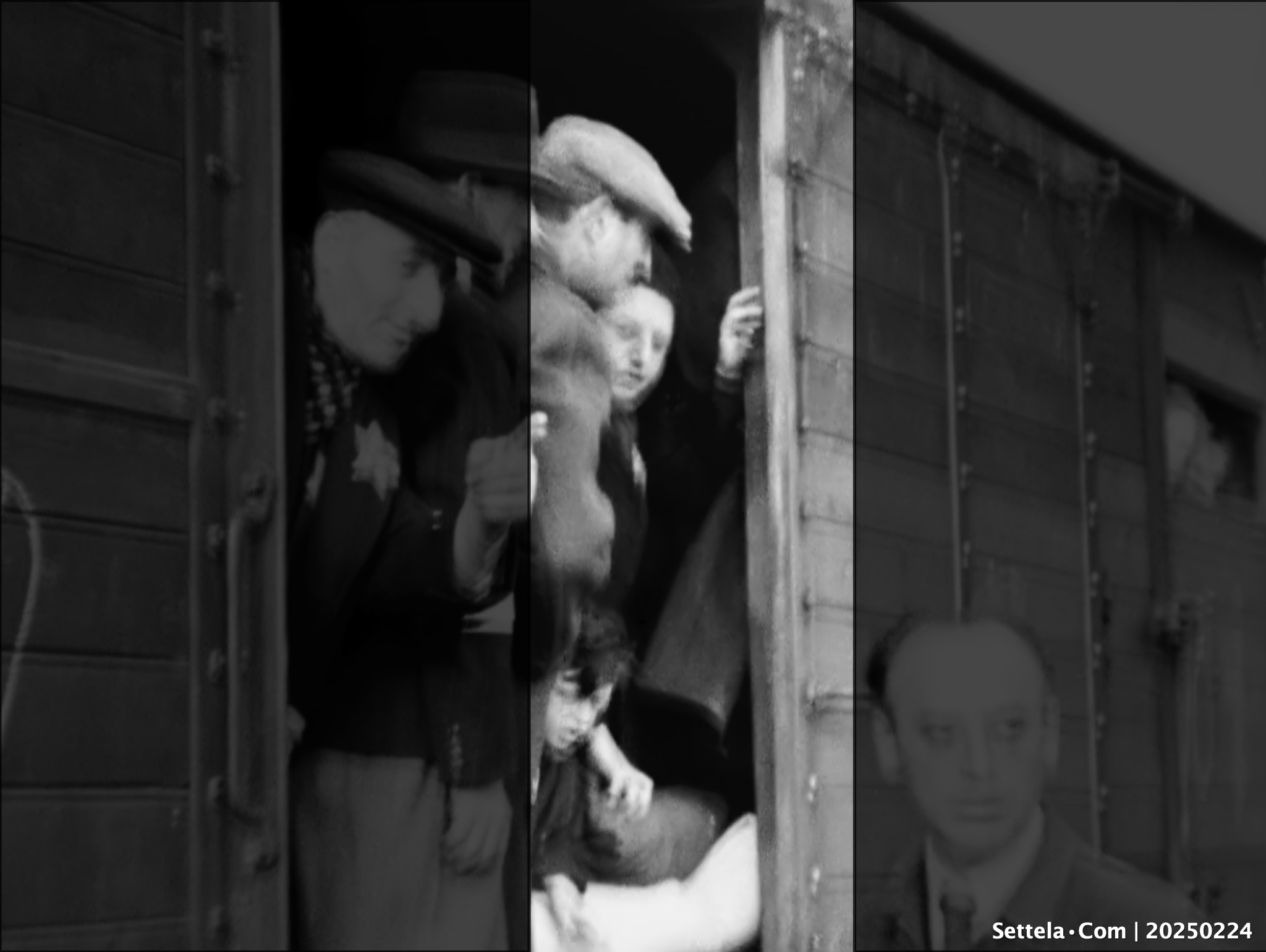
Almost certainly, three Jewish people have been recognized in the unique Westerbork film from 1944 (1). This time it concerns the 9-year-old boy Israël Wijnschenk, his father Max Wijnschenk, and his grandmother Betje Kokernoot-van Furth, who all lived in Utrecht (Holland).
Last week, the Dutch public broadcaster NOS (2) reported the news from the Utrecht (Dutch) news site Nieuws030 (3) that it is very likely that three people were recognized again in this film made by the Jewish prisoner and filmmaker Rudolf Breslauer showing the deportation of Jews, Roma and Sinti by train in Camp Westerbork on May 19, 1944.
Image researcher Koen Hulsbos — who previously identified an Amsterdam couple in this deportation train (4) — thought he recognized the young Israël Wijnschenk, a pupil at the time of the Joodse (Jewish) School Utrecht, and presented this to Victor Frederik, researcher of the Joodse School (5,6). The boy, the man, and the woman seem to belong together, and were recognized from family photos, also by family members.
It is certain that Max and his wife Chel (not in the images) returned to Utrecht after the war, their children Israël and his sister Kitty were murdered. Grandma Betje was also gassed in Auschwitz.
A portrait of Israël Wijnschenk is shown at the site of Joods Monument (7).
According to the transport list, there were two other children in that wagon, Joseph Beugeltas (11 years old) and Manfred Studzinsky (7 years old). Joseph Beugeltas appeared to have blond hair, and could not have been it (6). To be completely sure, the researchers are still looking for a photo of Manfred Studzinsky, for comparison…