Screenshot April 11, 1995 at 21:48 of the desktop with a Filemaker window (•Brieffile, correspondence) on my Apple Macintosh PowerBook 160. A PICT file image that I recently gained access to. Desktop shows icon (renamed) SLIP of the InterSLIP application I used to get modem access (phone line) to the Leiden University gateway to internet, email, news, gopher, ftp etc . I wrote the protocol (two scripts) required by this SLIP application to get access to the Leiden University gateway to the internet. From May 1995 Leiden University distributed my scripts to the other Macintosh users of our University.
Below the two scripts published May 18, 1995 ….
Below the ‘Minimal dialing script’ :
! Original script by Fred Morris ! Modifications and comments by Adam C. Engst ! 21-Feb-94 = Added redial feature (ACE)
@originate ! Initialize mode from string in InterSLIP configuration note “Initializing modem” write “^4\13” pause 20 ! Dial modem from number in InterSLIP configuration note “Dialing ^1” write “atdt^1\13” ! Check only for BUSY or CONNECT, then redial or connect matchstr 1 10 “BUSY” matchstr 2 20 “CONNECT” matchread 500
@label 10 ! The line is busy, so let’s redial the modem indefinitely ! This will also redial after the (matchread 500) timeout if you get endless rings note “Line busy, redialing ^1” ! First hang up and reinitialize modem from string in InterSLIP configuration write “+++” pause 60 write “ath\13” write “^4\13” ! Then go back and dial again using phone number in InterSLIP configuration jump originate
@label 20 ! Everything worked fine, you’re connected now note “Dialed successfully” exit 0
@answer @hangup ! Hang up the modem and reinitialize from string in InterSLIP configuration ! The only way to get here is to manually click the Disconnect button note “Hanging up modem” write “+++” pause 60 write “ath\13” write “^4\13” exit 0
Below the “FullCRIgateScript” for access via 278282 with password and username check:
! InterSLIP gateway script for CRIgate with password access ! original script by Adam C. Engst ! modified by MvdBurg@RULLF2.MedFac.LeidenUniv.NL (MPM van der Burg) ! @originate !write “\13” note “Waiting for prompt” matchclr matchstr 1 1 “Annex username: “ matchread 900 note “Gateway not responding!” exit -1 ! @label 1 note “Sending user name” write “^5\13” matchclr matchstr 1 2 “Annex password:” matchread 900 note “Gateway not responding!” exit -1 ! ! @label 2 note “Sending password” write “^6\13” matchclr matchstr 1 4 “Permission granted” matchstr 2 3 “Username/Password Incorrect” matchread 900 jump 99 ! @label 3 note “Username/Password Incorrect” jump 99 ! @label 4 note “Requesting SLIP” matchclr matchstr 1 5 “drive-in: “ matchread 900 jump 99 ! @label 5 write “slip\13” matchclr matchstr 1 10 “Switching to SLIP.” matchstr 2 6 “CLI: Command not found.” matchread 900 note “Cannot invoke SLIP mode” jump 99 ! @label 6 note “Command not found” jump 99 ! @label 10 note “Searching IP address” matchclr matchstr 1 25 “Your address is “ matchread 900 note “No AddressLine found” jump 99 ! @label 25 note “SLIP address found” matchclr matchexp 1 30 “[0-9][0-9]\.[0-9][0-9]\.[0-9][0-9]\.[0-9][0-9]\.” matchread 500 note “No IP address found” jump 99 ! @label 99 pause 1 pause 60 exit -1 ! ! We’ve found an IP address, so inform MacTCP of it. ! @label 30 note “Setting IP address” setip “^0” note “^0” Pause 30 write “set port internet slip enable” write “\13” ! note “Slip enabled” pause 20 ! matchclr exit 0
! ! Answer and Hangup modes are currently unused in gateway ! scripts, but just for future compatibility, exit successfully. ! @answer @hangup ! Hang up the modem and reinitialize from string in InterSLIP configuration ! The only way to get here is to manually click the Disconnect button note “Hanging up modem” write “+++” pause 60 write “ath\13” write “^4\13” exit 0
Citation info : Coding 1995 Internet Access Macintosh • Michel van der Burg • Miracles•Media • @1MEMO 20250515 • TakeNode • URL 1-memo.com/2025/05/15 •
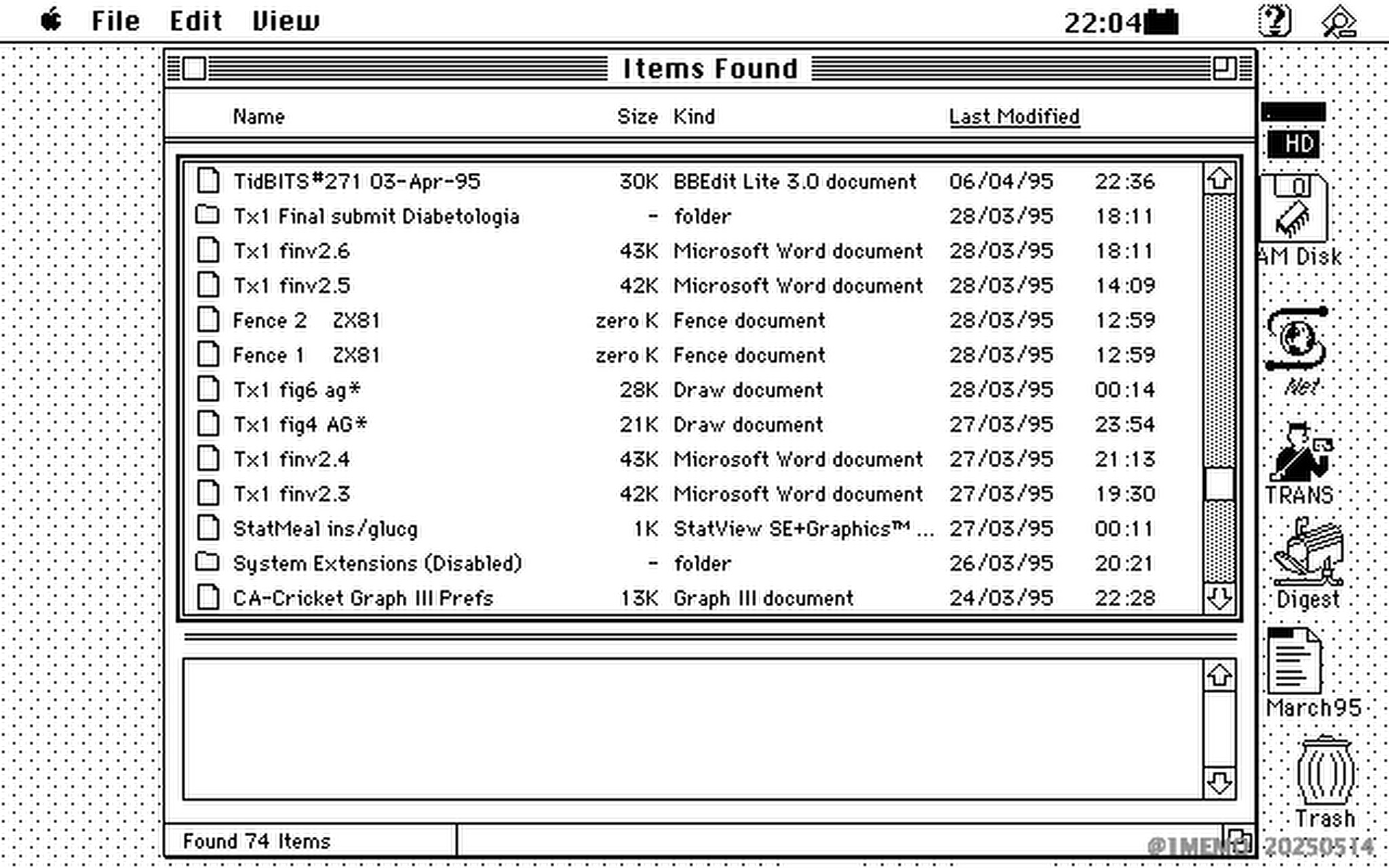
Screenshot April 11, 1995 at 22:04 of the desktop with file search window on my Apple Macintosh PowerBook 160. Desktop shows icon (renamed ‘Net’) of web browser NCSA Mosaic. A PICT file image that I recently gained access to.
Citation info : Desktop 1995 Macintosh PowerBook 160 • Michel van der Burg • Miracles•Media • @1MEMO 20250514 • TakeNode e29d72db-e6a0-4e6c-9474-9822ec7f854f • • URL 1-memo.com/2025/05/14 •
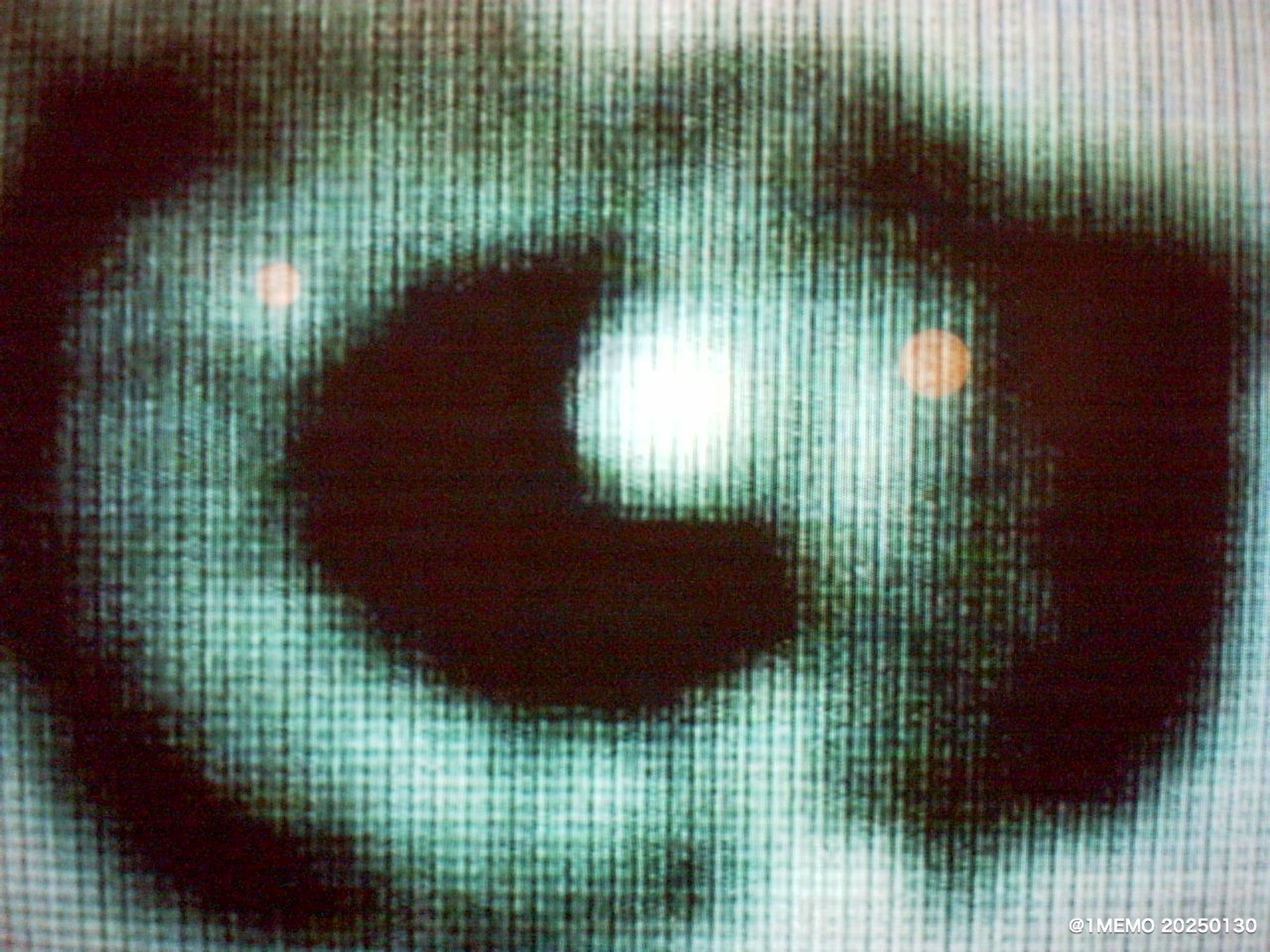
Digital photo shot with Konica Revio C2, July 11, 2003.
Citation info : Iris • Michel van der Burg • Miracles•Media • @1MEMO 20250130 • TakeNode 625d6c26-24f3-4640-a3ea-84f950d1caef • URL 1-memo.com/2025/01/30/
Night Watch by Rembrandt van Rijn
Animation of exploring online the high resolution
(717 gigapixel) image of the Night Watch (1) . The Night Watch is a celebrated painting of the dutch painter Rembrandt van Rijn — showing citizens of Amsterdam protecting the city. The painting is almost 400 years old. The high resolution image is a montage of 8439 pictures of the details , created using AI by the team of Operation Night Watch, Rijksmuseum, Amsterdam, Holland.
The focus of the animation is the highlighted girl – with a chicken upside down on her belt – the mascotte of the Amsterdam Night Watch, and resembling Rembrandt’s wife Saskia Uylenburgh.
Girls’ Gym Suit 1930 Cycling in Waddinxveen along Gouwe River | 20231210_1 | 1-memo•com
– (nederlands beneden / dutch below) –
EN – Confusing in this historical picture…those bare female legs on the bicycle! While looking for another picture of the De Schoone Haas windmill from the paper factory along the Gouwe in Waddinxveen, I found a photo in the archives of the SAMH museum in Gouda with the mention ‘Freight ship in front of the Alblas timber trade, windmill in the background, after 1905.’ — above (20231210_1) an edited version with sharpening, and brightness adjustments.
At first glance I miss the sawmill of Alblas, and next to it the Remonstrant church – of which I previously posted moving images (1). Watching that film again shows that both buildings are further back – the Remonstrant church probably because it was a clandestine church – and therefore kept out of sight here. The film also shows this second Alblas building, on the water and close to the sawmill. Not far from the De Schoone Haas paper-wind-mill there was another windmill – De Nijverheid, of which an overview photo was recently posted (2). That windmill – De Nijverheid – is recognized here in the background of the photo. The Schoone Haas windmill, which was closer to the Alblas company, appears to have disappeared at this time. The blades of the De Nijverheid windmill are missing here. The Dutch windmill database mentions (info from Jacob Stolp) that the sails of De Nijverheid were removed in 1929, and the mill was demolished in 1932 (3). So this photo was taken around 1930.
At image analysis for dating, those cyclists with bare legs are initially confusing in such a historical picture. Closer inspection reveals that posing is taking place: the cyclist on the right in the picture is perhaps a boy, and is still standing next to the bicycle, which suggests that the others have just started cycling, with the young woman (girl) on the left not yet sitting straight. Over the past month I saw a lot of photographic images of life and work along the Gouwe up to about 1920, and I almost always saw the women in skirts down to the ankles, some down to mid-calf (4).
Above is an enlargement of the cyclists (20231210_2). The woman on the bicycle in the middle wears unusual clothing with short legs with elastic on the thighs, and over that a cardigan and large (shoulder) bag. Such fashion was found in women’s magazines from around 1930…such as the Modern Gym Suit in the American magazine The Delineator Aug. 1931, for juniors (5), with option to purchase a Butterick sewing pattern. Below is a collage of clippings (edited image) from this magazine of the one-piece v-neck gym suit… “One just steps into it from the top and fastens it on the shoulders. Simple to make.”.
Modern Gym Suit | 20231210_3 | 1-memo•com | @michelvanderburg | Edited montage of cuttings from The Delineator Aug. 1931
Such a One-Piece Gym Suit is also recommended in the 1932 catalog of the American Sears Roebuck with: “You will now find this suit standard equipment in many colleges and high schools, also used by dancers …. ” (6).
Bloomer – Women’s Rights
The ‘Bloomer’ – usually larger, see also that page in the Sears Roebuck 1932 Catalog (6) – goes back – in longer versions – to the 1850s.
Bloomer ca 1852 | 20231210_4 | 1-memo•com | A Poser for a Bloomer. By J L (monogram) ca 1852. | Bodleian Libraries Oxford University | Wikimedia Commons. CC BY
Satirical cartoon : In a reversal of genders, a “bloomer” asks her fiancé’s shocked father for consent to marry his son (Ref 7).
In general, women’s sport and activewear has helped emancipation (8).
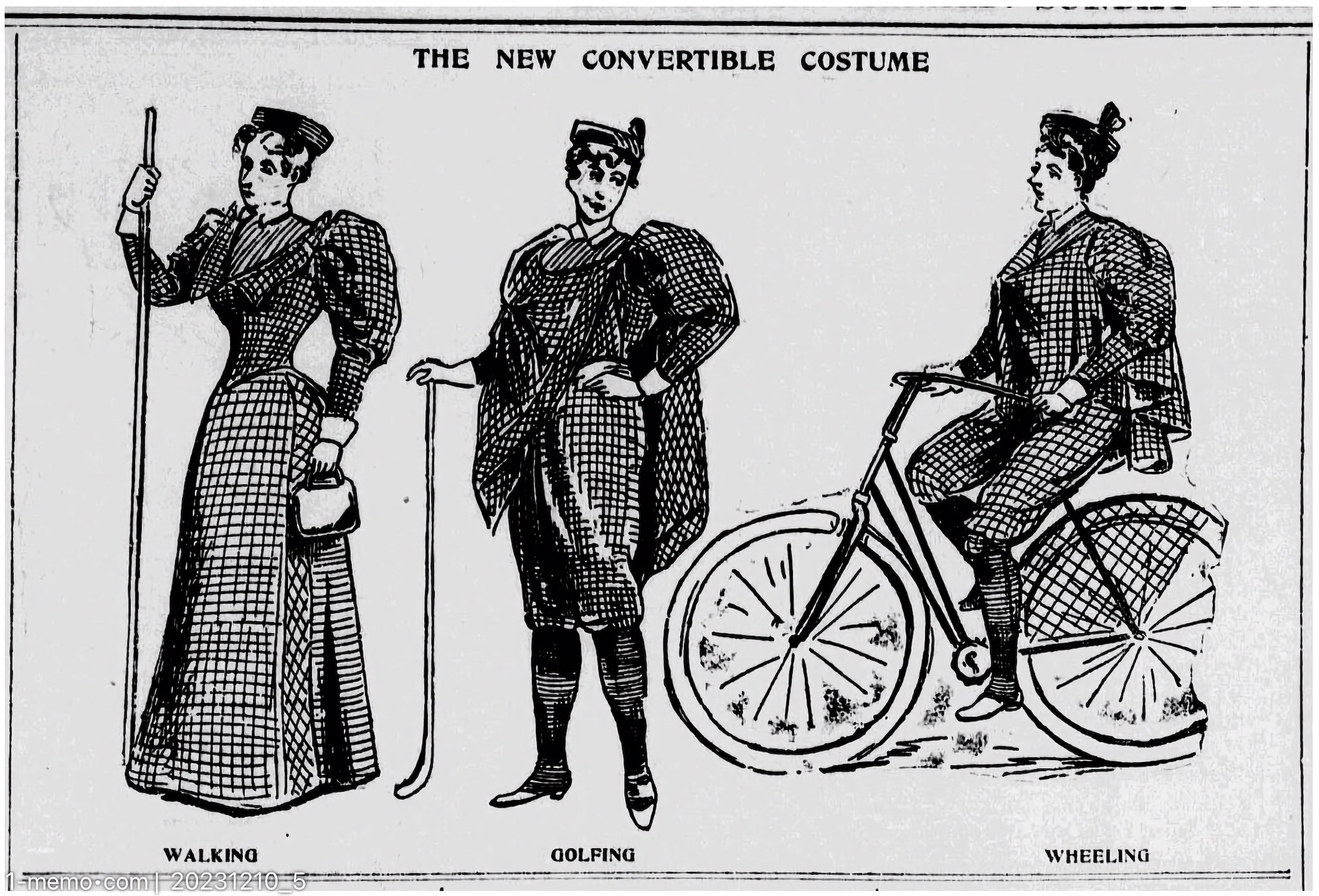
John Noble’s 1895 ‘New Convertible Costume’ | 20231210_5 | 1-memo•com | Los Angeles Herald, 1895
John Noble’s 1895 ‘New Convertible Costume’ … appropriate for walking, golfing and wheeling. In: Los Angeles Herald, 1895 | Source K. Jungnickel in The Sociological Review (Ref. 8).
Dutch :
NL – Verwarrend in dat historisch plaatje boven…die blote vrouwenbenen op de fiets! Op zoek naar nog een plaatje van windmolen De Schoone Haas van de papierfabriek langs de Gouwe in Waddinxveen, vond ik in het archief van het SAMH museum te Gouda een foto, met vermelding ‘Vrachtschip voor houthandel Alblas, op de achtergrond molen, na 1905.’ Hierboven (20231210_1) een bewerkte versie (met verscherping, en helderheid aanpassingen) van die foto.
Op het eerste gezicht mis ik in die foto de houtzagerij van Alblas , en daarnaast de Remonstrantse kerk – waarvan ik eerder film beeld gepost heb (1). Bij weer bekijken van die film blijkt dat die beide gebouwen meer naar achteren staan – de Remonstrantse kerk waarschijnlijk omdat het een schuilkerk was – en daarom dus wat uit het zicht. Voorts laat die film ook dit tweede Alblas gebouw zien, aan het water en dicht bij die zagerij. Niet ver van papiermolen De Schoone Haas heeft nog een windmolen gestaan – De Nijverheid, waarvan recent een overzichts-foto is gepost (2). Die molen – De Nijverheid – wordt hier in de foto herkend op de achtergrond. De Schoone Haas molen , die dichter bij Alblas stond, blijkt dus op dit tijdstip al verdwenen. De wieken van molen De Nijverheid ontbreken hier. De Nederlandse molen database vermeld (info van Jacob Stolp) dat de wieken van De Nijverheid werden verwijderd in 1929 , en de molen in 1932 werd afgebroken (3). Deze foto is dus rond 1930 gemaakt.
Bij de beeldanalyse voor de datering zijn die fietsers met blote benen in eerste instantie verwarrend in zo’n historisch plaatje. Nadere beschouwing van de uitvergroting hierboven van de fietsers (20231210_2) leert, dat er wordt geposeerd : de fietser rechts in beeld is misschien een jongen, en staat nog naast de fiets, wat suggereert dat de anderen zojuist zijn gaan fietsen, waarbij de jonge vrouw (meisje) links, nog niet recht zit.
De afgelopen maand zag ik veel fotografisch beeld van leven en werken langs de Gouwe tot ca 1920 , en zag ik de vrouwen vrijwel altijd in rokken tot de enkels, een enkeling tot halverwege de kuit (4).
De vrouw op de fiets in het midden draagt aparte kleding met korte pijpen met elastiek op de bovenbenen, en daarover een vest, en grote (schouder-) tas.
Dergelijke mode werd teruggevonden in vrouwenbladen van rond 1930…zoals dat Modern Gym Suit in het Amerikaanse blad The Delineator Aug. 1931 , voor jongeren … ‘Juniors’ (5), met optie om een Butterick naaipatroon aan te schaffen. Hierboven ( zie Modern Gym Suit | 20231210_3 ) een collage van knipsels uit dit blad, van het gympak uit één stuk met V-hals … ” je stapt er van boven in en sluit het op de schouders – simpel te maken. “
Zo’n One-piece Gym Suit wordt ook aangeprezen in de catalogus uit 1932 van het Amerikaanse Sears Roebuck met : “Tegenwoordig is dit standaarduitrusting op veel hogescholen en middelbare scholen, alsook bij dansers…”(6).
Bloomer – Vrouwenrechten
De ‘Bloomer’ – doorgaans ruimer , zie ook die pagina in de Sears Roebuck Catalogus 1932 (6) – gaat terug – in langere versies – tot de 1850s.
Zie boven (20231210_4) de spotprent uit een krant/magazine van ca 1852 ‘A Poser for a Bloomer’ . In een omgedraaide genderrol vraagt een ‘bloomer’ de geschokte vader van haar verloofde om toestemming om met zijn zoon te trouwen (Ref 7).
In het algemeen heeft sportkleding en activewear voor vrouwen, geholpen bij de emancipatie.
John Noble’s 1895 ‘New Convertible Costume’ (beeld : 20231210_5 ) … appropriate for walking, golfing and wheeling … Los Angeles Herald, 1895 (Ref. 8).
Refs
1. Alblas Hout – 1920s Waddinxveen Works – Gouwe River | 20231117 | Michel van der Burg | 1-memo•com
2. Windmills Hoop & Nijverheid ca 1898 in Waddinxveen Along the Gouwe River | 20231208 | 1-memo•com | @michelvanderburg
7. A Poser for a Bloomer. By J L (monogram) ca 1852. | Bodleian Libraries Oxford University | Wikimedia Commons. CC-BY. URL https://commons.wikimedia.org/w/index.php?curid=40711232 . Satirical cartoon about the Bloomerism movement. Girl in bloomers seeking consent to marry from her fiance’s father. Cutting from newspaper/magazine. Shelfmark: Fashion 19 (56) (subsection: Satire and reform movements: Bloomers and Bloomerism).
8. Jungnickel, K. (2023). Convertible, multiple and hidden: The inventive lives of women’s sport and activewear 1890–1940. The Sociological Review, 0(0). https://doi.org/10.1177/00380261231153754
Citation info : Girls’ Gym Suit 1930 Cycling along Gouwe River | 20231210 | 1-memo•com | @michelvanderburg
Images
1. Girls’ Gym Suit 1930 Cycling in Waddinxveen along Gouwe River | 20231210_1 | 1-memo•com | @michelvanderburg | TakeNode 9e5188f1-2ced-458a-817c-9e8bcc221b85
3. Modern Gym Suit | 20231210_3 | 1-memo•com | @michelvanderburg | Edited montage of cuttings from The Delineator Aug. 1931 (Ref. 5) | TakeNode a1543a33-f0b0-4ba4-9bb4-70978707575a
4. Bloomer ca 1852 | 20231210_4 | 1-memo•com | A Poser for a Bloomer. By J L (monogram) ca 1852. | Bodleian Libraries Oxford University | Wikimedia Commons. CC BY | Takenode e7f54d92-800e-4e06-be2f-b54c019bbecc
5. John Noble’s 1895 ‘New Convertible Costume’ | 20231210_5 | 1-memo•com | Los Angeles Herald, 1895 | TakeNode 34a18b6c-7562-4310-ba79-713dca5bb018
Video report of the preview 19 Jan 2023 presented by photographer Jo Struyven of photo exhibition ‘236 — Land(es)capes from the 20th Convoy’.
Photo exhibition of works by Jo Struyven and Luc Tuymans in the Jewish Museum of Belgium, Brussels, Belgium | January 20 – August 14, 2023.
License info : 236 Land(es)capes 20th convoy | 20230126 | Michel van der Burg | Miracles•Media | TakeNode 428839bb-7165-4771-a490-27158928ec25
On April 19, 1943, the 20th transport left the Mechelen transit camp to deport 1,631 Jews to Auschwitz. Thanks to resistance actions, both inside and outside the wagons, 236 of these deportees managed to jump from the train that would lead them to destruction.
Photographer Jo Struyven revisits this unique act of resistance in Western Europe during the Nazi regime and shows us the landscapes in which this little-known story took place.
From 20 January 2023, the Jewish Museum of Belgium, in partnership with the Auschwitz Foundation, presents the exhibition entitled ‘ 236, Land(es)capes from the 20th Convoy ‘. It is set up in the museum’s project space and offers an artistic look at an exceptional and forgotten event in the Second World War.
The 20th convoy
At 10 p.m. on April 19, 1943, the 20th convoy departed from the Kazerne Dossin transit camp in Mechelen with 1,631 Jewish deportees in cattle cars, heading for Auschwitz. Thanks to resistance actions, both inside the wagons and from outside, 236 of these deportees managed to jump from that train, that was leading them to extermination. An unique event in Europe under the Nazi administration.
Jo Struyven, photographer
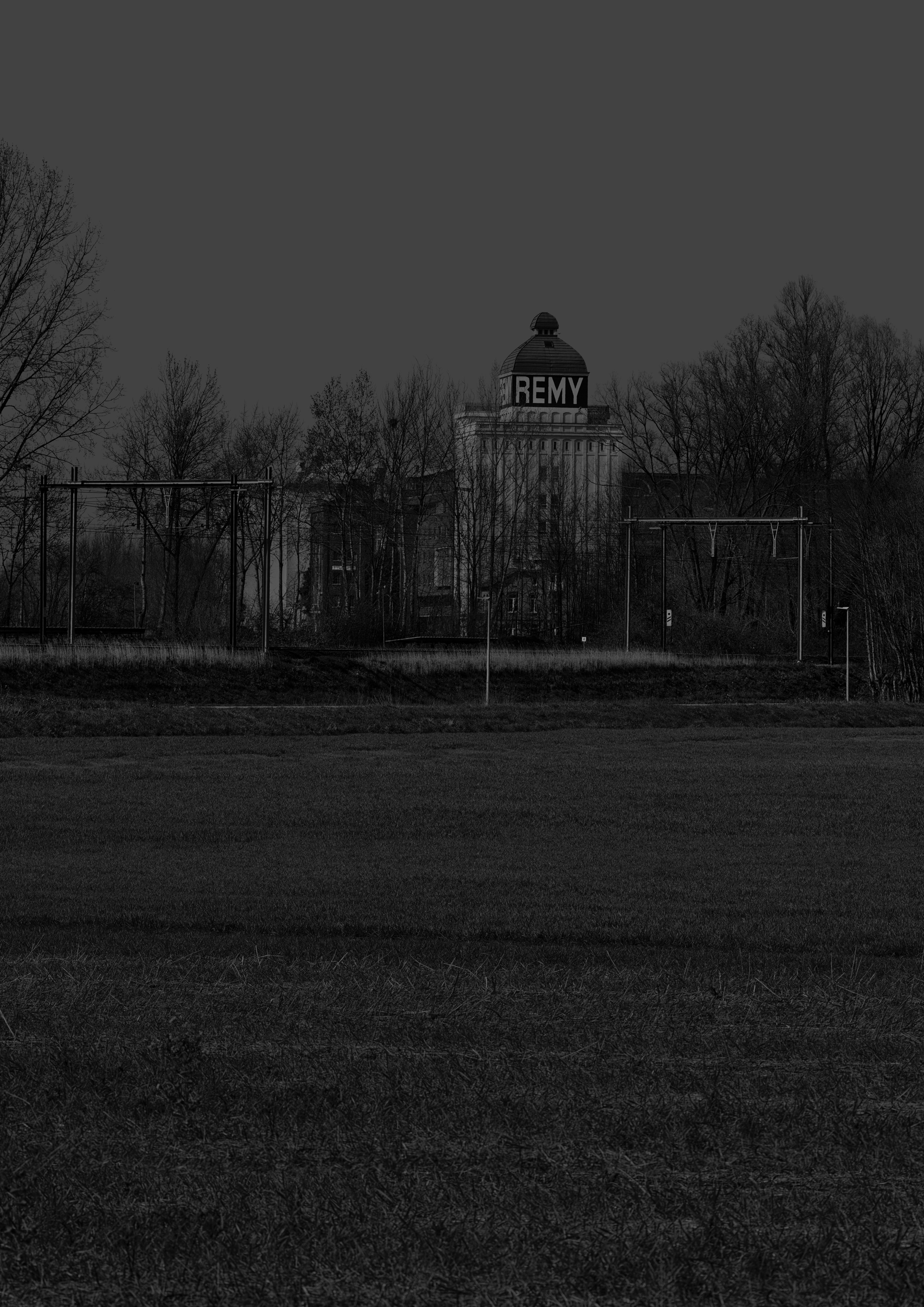
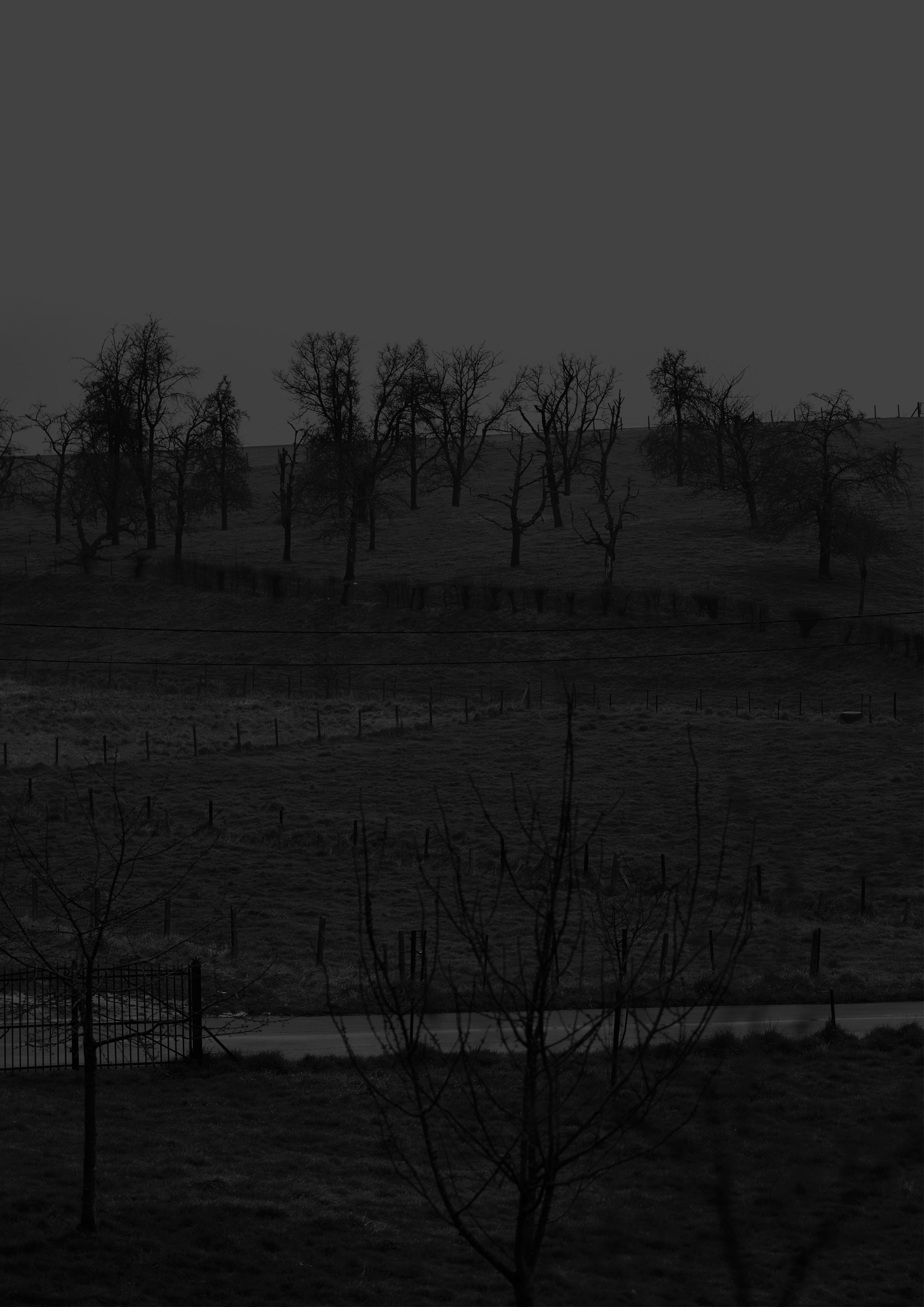
The work of the Belgian photographer Jo Struyven (°Sint-Truiden, 1961) takes us back to these acts of resistance – commemorating the 80th anniversary in 2023 – and gives us a glimpse of the landscapes in which this striking story took place. Taking the perspective of those who jumped off that train, an act for which many of them paid with their lives, Struyven creates a contemporary ‘memorial’ with 19 large ‘nocturnal’ black and white images, and one colour print.
Jo Struyven :
The 20th convoy, heading for the unspeakable “Auschwitz”, crossed the area where I grew up, barely 50 meters from my childhood bedroom — I found out 2 years ago after meeting Simon Gronowski. Ever since, I imagine the distress of the deportees. The destination was unknown to them. Some, sensing the worst, tried to escape it. I wanted to give an account of this border between life and death, between resignation and the impossibility of choosing, and the freedom regained with resistance to the oppressor’s plans.
Works presented by Jo Struyven
Land(es)capes from the 20th Convoy, 2020-2022, 19 black and white prints, 1 color print, 90×60 cm (Private collection – Belgium)
Jo Struyven, Land(es)capes from the 20th convoy 2020 2022, black and white print, 90x 60 cm, Wijchmaal (Private Collection, Belgium)Jo Struyven, Land(es)capes from the 20th Convoy 2020-2022, black and white print, 90x 60 cm, Bierbeek (Private Collection, Belgium)Jo Struyven, Land(es)capes from the 20th Convoy, 2020-2022, black and white print, 90x 60 cm, Borgloon (Private Collection, Belgium)Jo Struyven, Land(es)capes from the 20th Convoy, 2020-2022, black and white print, 90x 60 cm, Piringen (Private Collection, Belgium)Jo Struyven, Land(es)capes from the 20th Convoy, 2020-2022, black and white print, 90x 60 cm, Botzelaer (Private Collection, Belgium)
Luc Tuymans, visual artist
In dialogue with Jo Struyven’s photographs, two works by Belgian visual artist Luc Tuymans (°Mortsel, 1958) evoke the destruction of the Jews and Roma of Europe. Die Wiedergutmachung (The Reparation) depicts body parts – left the eyes of gypsy children who had been experimented on by the Nazis. … images that in its incompleteness, reflect the inability to represent facts and memory .
Works presented by Luc Tuymans
Luc Tuymans, Our New Quarters, 1986, Oil on canvas, 80,5 x 120 cm (MMK – Germany) (Photo Ben Blackwell, courtesy David Zwirner, New York, London)Luc Tuymans, Die Wiedergutmachung, 1989, Oil on cardboard, mounted on plywood, Oil on canvas; diptych, 36,6 x 43 cm, 39,4 x 51,8 cm, courtesy: Private collection (Photo Studio Luc Tuymans)
Art after the Shoah
“Writing a poem after Auschwitz is barbaric”, wrote German philosopher Theodor W. Adorno in 1949. Through two contemporary perspectives from the visual arts, this exhibition seeks to address this question of the (im)possibility of art after the Shoah in a new way.
Testimonies & Catalogue
This exhibition will be accompanied by a catalogue book edited by Daniel Weyssow and Jo Struyven and published by the Auschwitz Foundation entitled Land(es)capes from the 20th Convoy (press release on April 19, 2023), as well as an educational space presenting the testimonies from interviews and archives of convoy escapees.
Info+ ( & Français | Nederlands)
236 Land(es)capes from the 20th Convoy Jo Struyven / Luc Tuymans Exhibition at the Jewish Museum of Belgium, in Brussels, Belgium 20 January – 14 August 2023 Brussels Website https://www.mjb-jmb.org
Video report : Vernissage ‘236’ Land(es)capes 20th convoy
Thursday January 19th, 2023, the vernissage of the photo exhibition 236 — Land(es)capes from the 20th Convoy was opened with speeches by Philippe Blondin, President of the Jewish Museum, and by Pierre-Yves Jeholet , Minister-President of the Government of the Federation Wallonia-Brussels. Next, the Belgian photographer Jo Struyven presented his work — escape landscape photographs glowing in the dark — like being lit by moonlight — as well as paintings contributed by Luc Tuymans in the project space. The exhibition runs from January 20 – August 14, 2023 in the Jewish Museum of Belgium, Brussels, Belgium. Video report (20230120) Michel van der Burg | Miracles•Media .
Jan 20, 2023 – VRT | Kristien Bonneure (Belgian Flemish Broadcast) 20 jan 2023