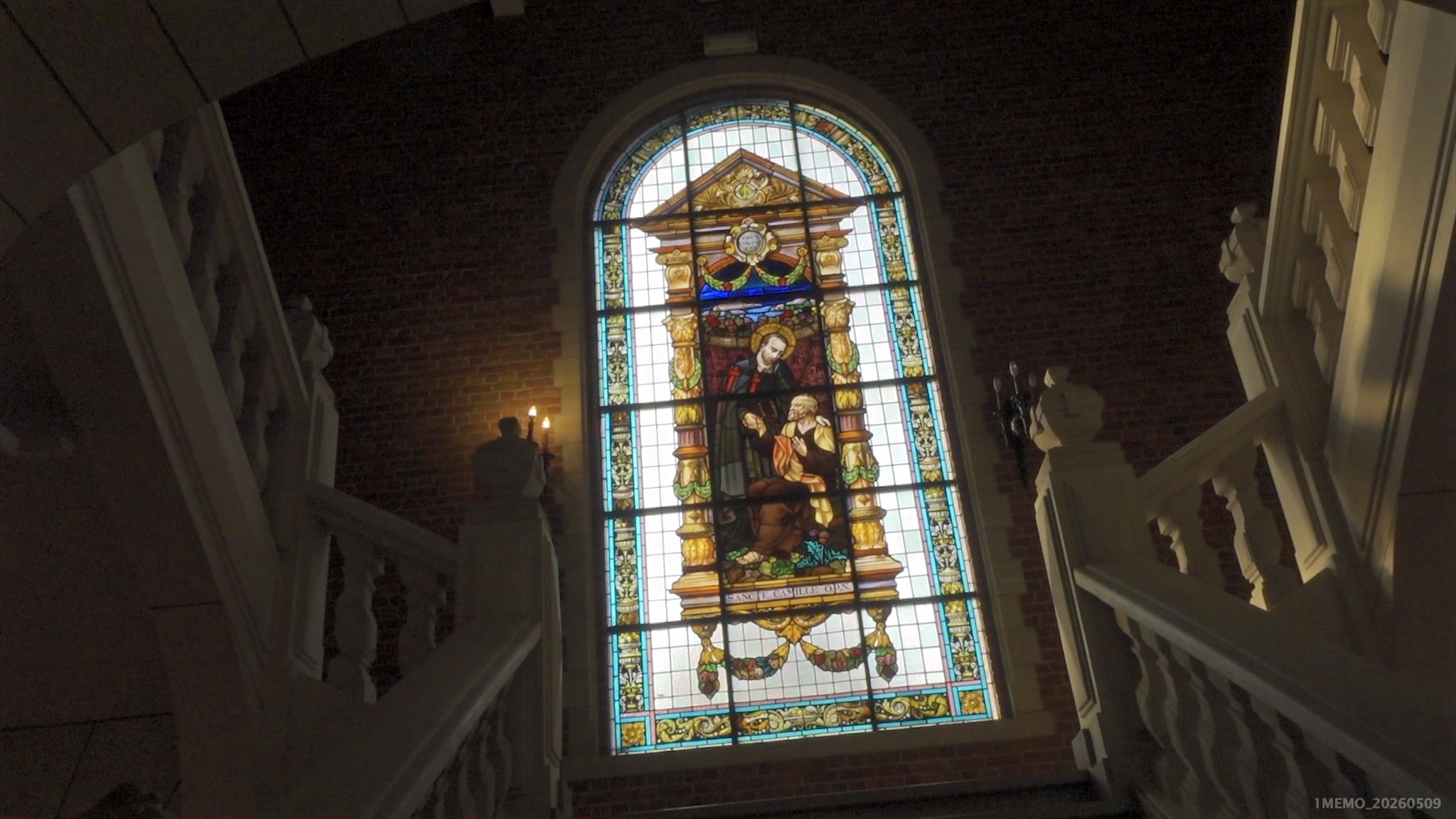
Sint Kamillus • 1MEMO_20260506 • Michel van der Burg • Miracles•Media • Escape from the 20th Convoy, Sint Kamillus, Krijkelberg … Korbeek-Lo (Bierbeek), Belgium, April 18th, 2023 TakeNode 808dc4ae-e33f-4b9d-8877-9be86a280194
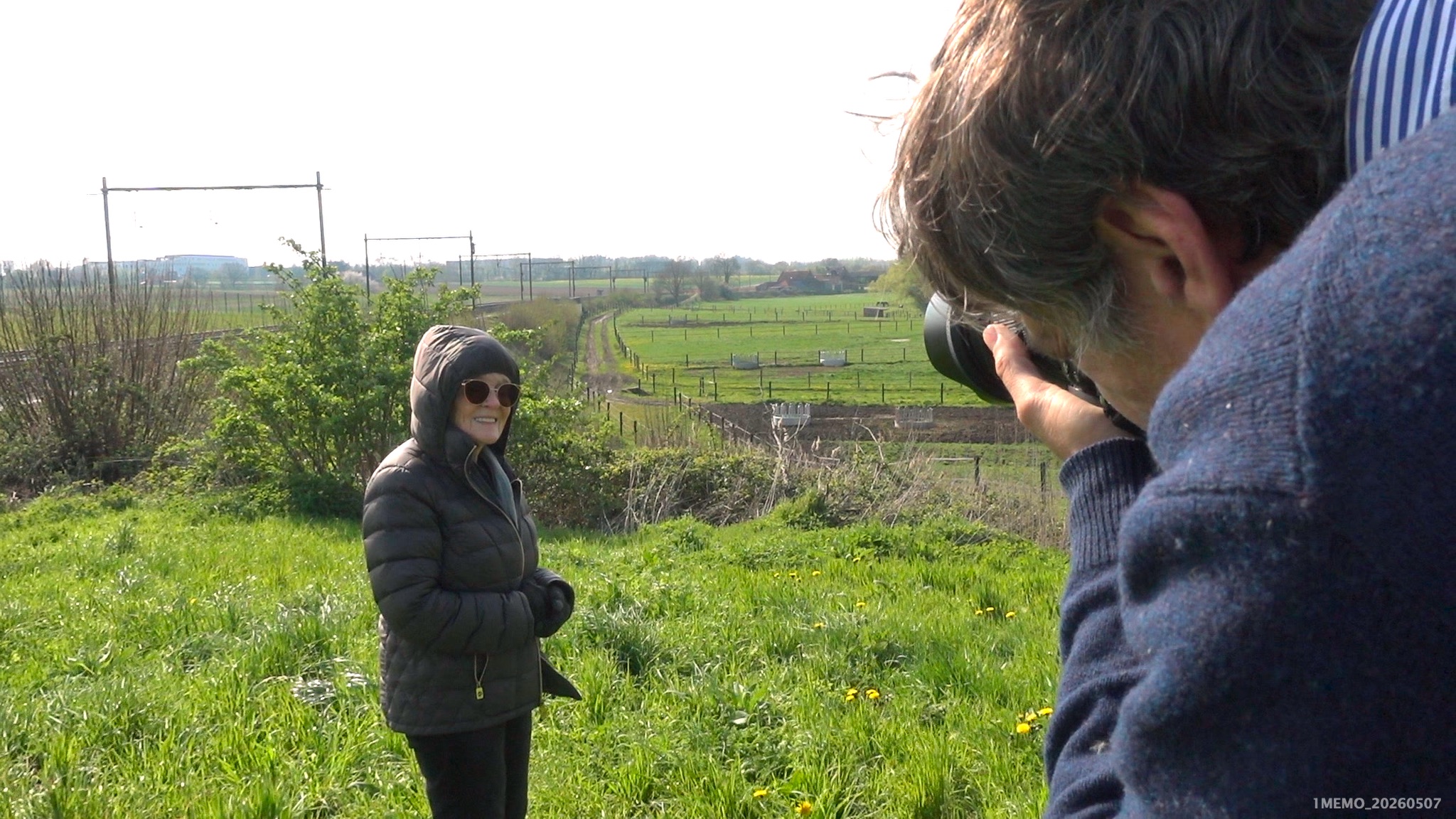
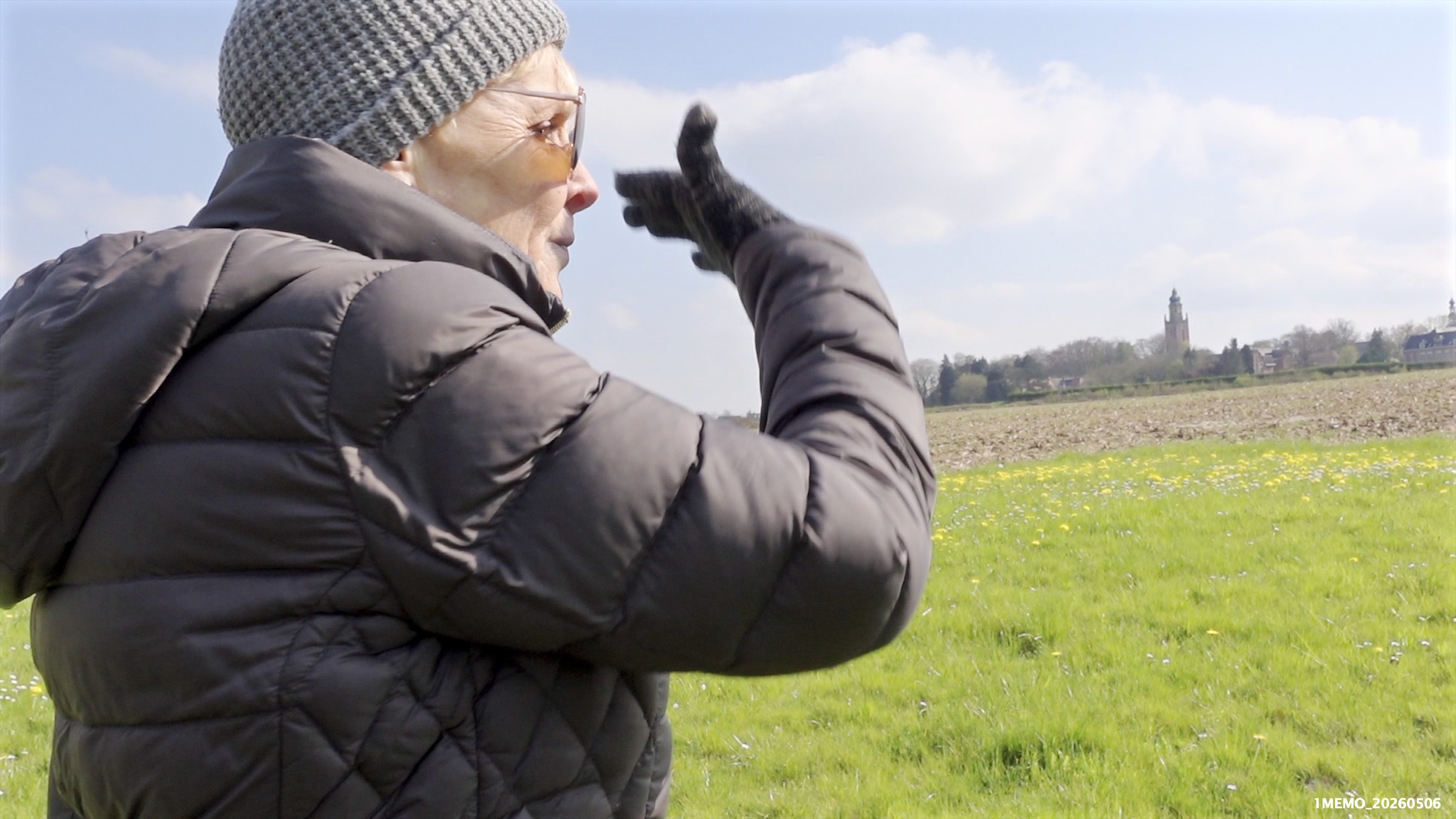
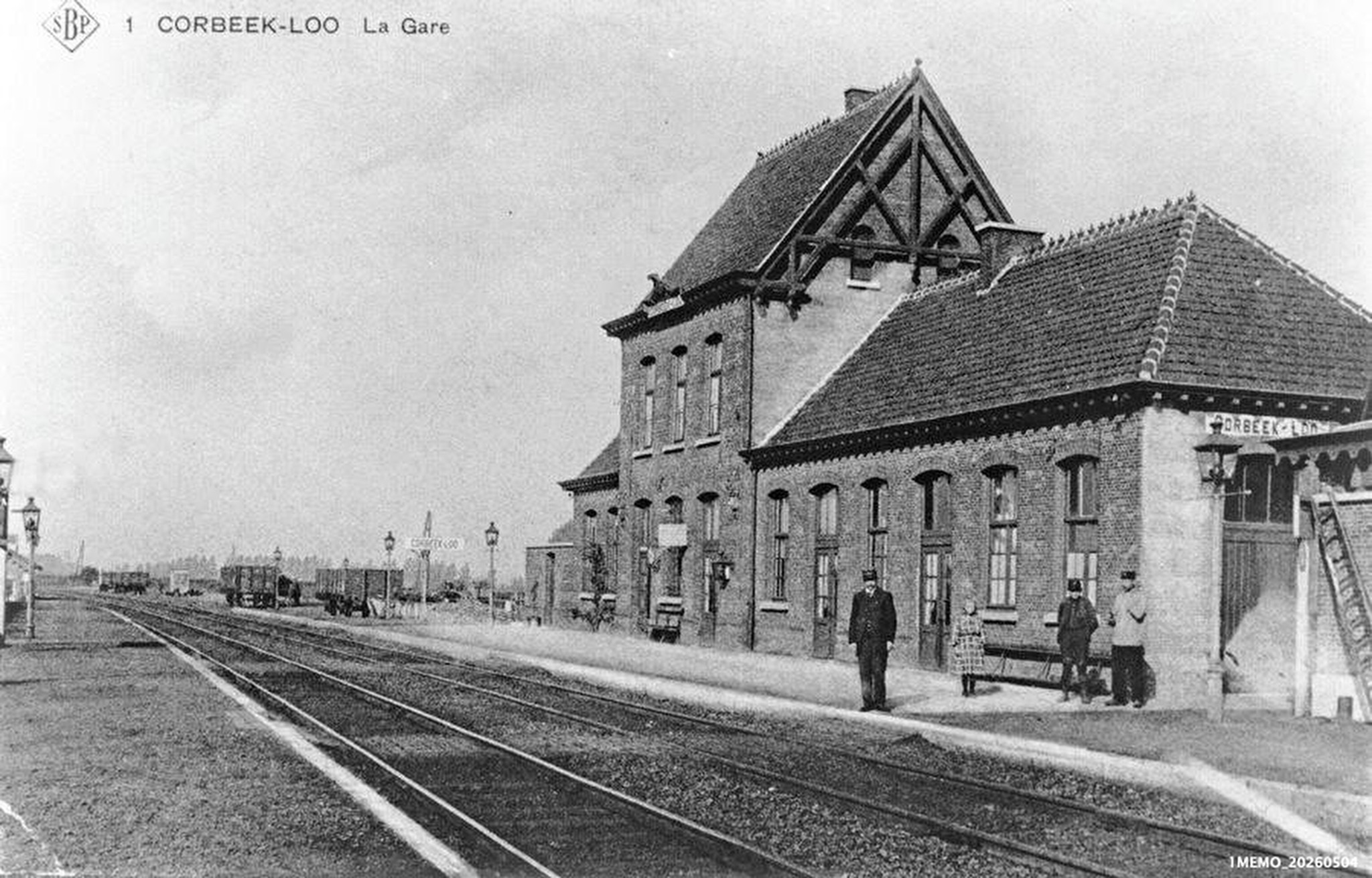
Station Corbeek-Loo • 1MEMO_20260504 • Michel van der Burg • Miracles•Media • Route Transport XX, Korbeek-Lo, Belgium. TakeNode 50f42693-3f86-4573-ab7a-dc583d465e14
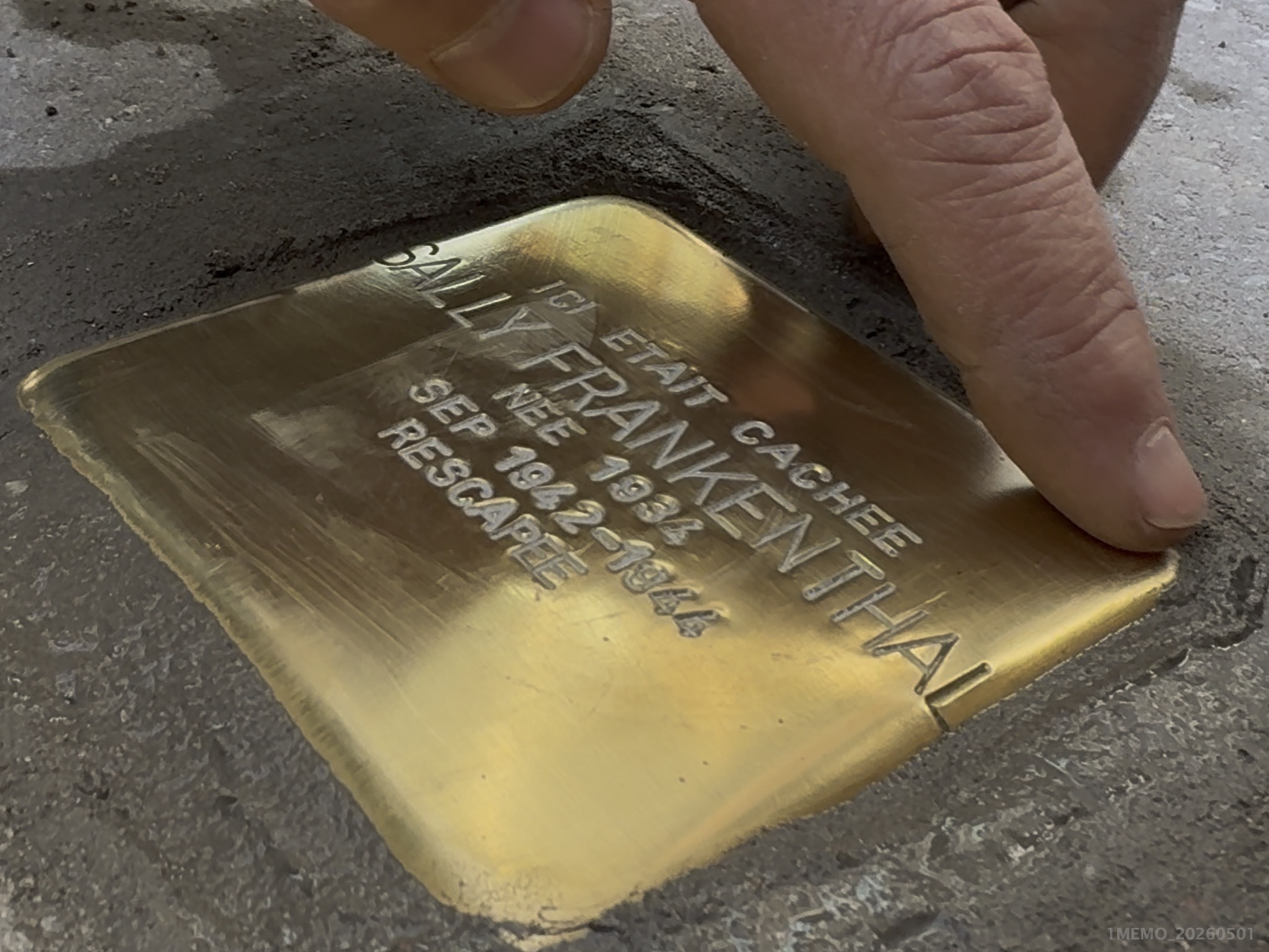
Sally Stumbling Stone • @1MEMO_20260501 • Michel van der Burg • Miracles•Media •
Stumbling stone placed Friday , April 11, 2025. Stolperstein street art monument by Gunter Demnig. Rue Marie-Therese 13 , Brussels, Belgium . Update image for post Settela.Com/2025/04/11
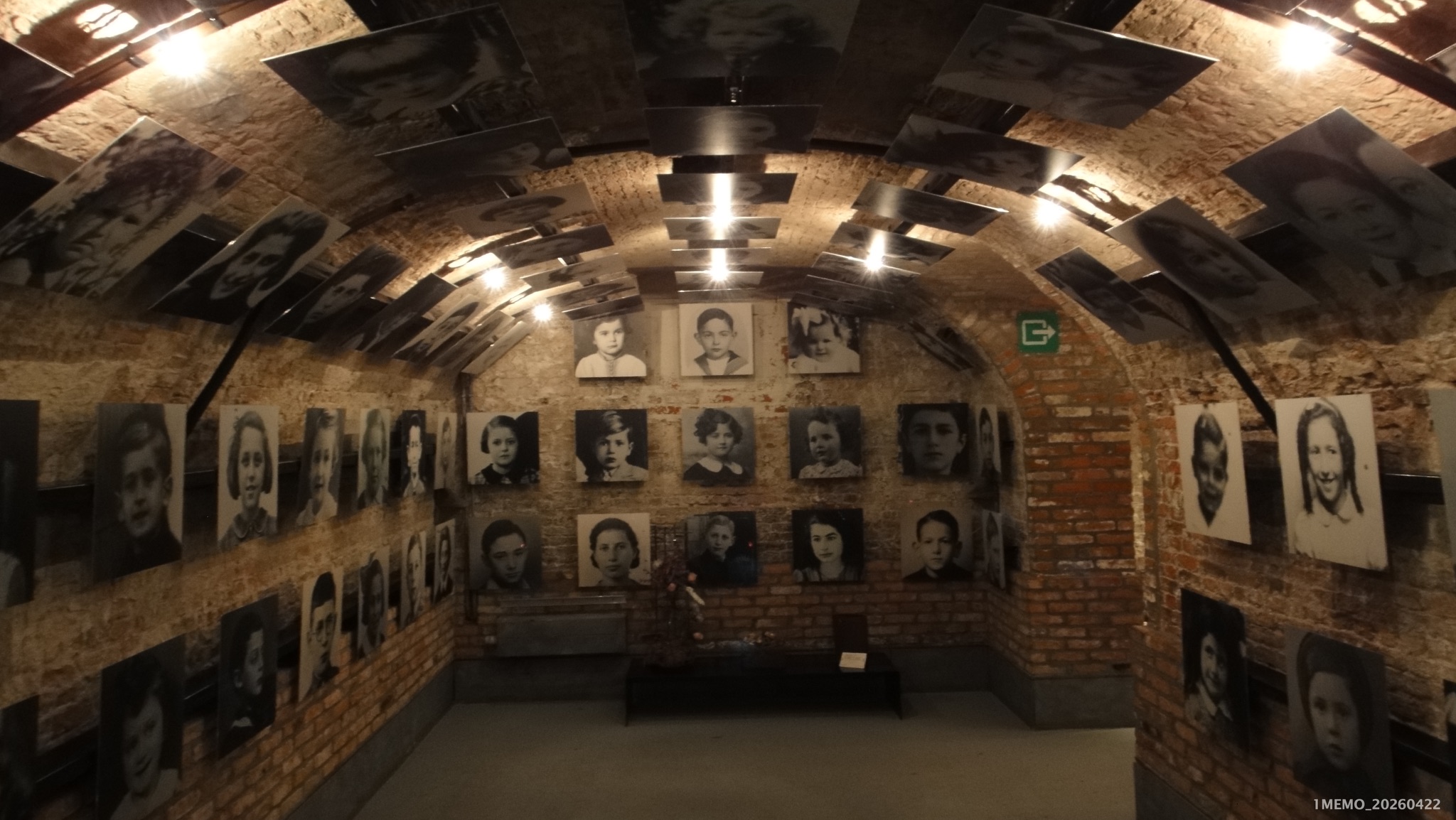
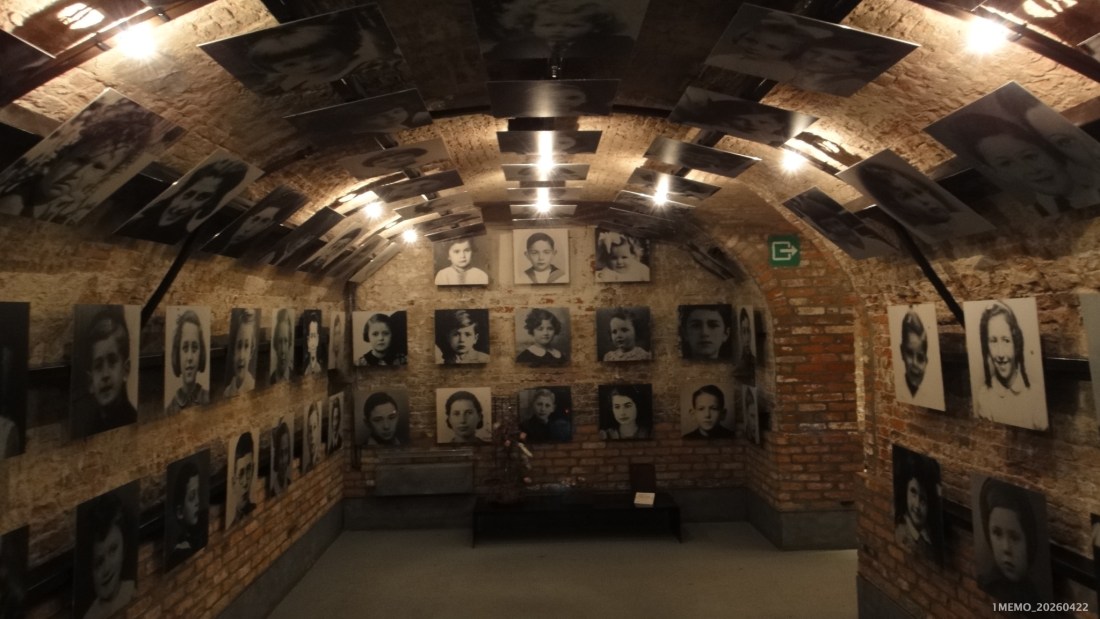
Cellars Kazerne Dossin • 1MEMO_20260422 • Michel van der Burg • Miracles•Media • Today 15 years ago, April 22, 2011 — the day after my 1st interview with Simon Gronowski in Brussels, working on our documentary film Transport XX to Auschwitz (see below) — I took this picture at the permanent exhibition in the Jewish Museum of Deportation and Resistance, in the cellars of the former Dossin barracks in Mechelen, below the entrance, where during the war in 1943-44 Régine Krochmal (born in my home town The Hague in Holland, deported with Simon Gronowski, and escaped from Transport XX to Auschwitz) and others of her Austrian resistance group (Österreichische Freiheitsfront) were interrogated, tortured, and imprisoned. The “SS-Sammellager Mecheln” before — now part of the Kazerne Dossin – Memorial, Museum and Research Centre on Holocaust and Human Rights.
Ward Adriaens, «Het Joods Museum van Deportatie en Verzet (J.M.D.V.) en Getuigenissen», Les Cahiers de la Mémoire Contemporaine [Online], 2 | 2000, Online op 01 maart 2026, geraadpleegd op 22 april 2026. URL: http://journals.openedition.org/cmc/1690; DOI: https://doi.org/10.4000/15wkg
Westerbork Girls – From left to right: Catharina Frank, Hannelore Cahn, Beatrice Lissauer, Ulla Gross, Lotte Heider-Lehmann and Ruth Pagener. (Source : Westerbork Memorial)
The documentary ‘Westerbork Girl’ (2007), directed by Steffie van den Oord, tells the story of Hannelore Cahn (later Eisinger-Cahn), a Jewish woman imprisoned in Camp Westerbork for more than two years during World War II. She performed as a dancer in the camp revue, attracting the attention of many, including camp commander Gemmeker and Jewish camp policeman Hans Eisinger, member of the Jewish Order Service—also known as “the Jewish SS”.
Westerbork Girl (VPRO 2007)
Hannelore had earlier met actor and resistance fighter Rob de Vries, with whom she was close. Rob smuggled her out of Westerbork by disguising himself as a train stoker and taking her to Amsterdam, where she briefly went into hiding. Hans Eisinger manages to track her down and one week after her escape Hannelore voluntarily accompanies him back to the camp…possibly due to loneliness, Rob’s existing relationship, or pressure from the Order Service to prevent others being deported to Auschwitz. Shortly thereafter, Hannelore and Hans get married in Westerbork.
Hannelore survived the war and avoided punishment after her return. The film reconstructs her story through interviews, archival footage, and music, presenting it as one of survival, love, and the difficult choices faced under Nazi persecution.
Hannelore sings and is still intensely sung about by Louis de Wijze, who witnessed her escape and remembered the revue songs from Westerbork: Ich hab es bei Nacht den Sternen erzählt, Ich liebe Dich.
Powerful documentary—this story, with close-ups of this Westerbork Girl, that resonate with me. Beautiful surprise while researching the use of the Westerborkfilm. Review by Michel van der Burg , editor Settela.Com
Citation info : Westerbork Girl • 20250916 | Michel van der Burg | Settela•Com | ISSN 2949-9313 | URL https://settela.com/2025/09/16
Propaganda on the windows of the shop ‘Goedkoope Winkel’ (Cheap Shop) at Lange Elisabethstraat 2 in Utrecht, Holland, photographed by Wim Bruschwiler , ca 1943.
Nazi anti-semitic slogan ‘JOOD’ (Jew) on one window.
On the other window, the “V” symbol — standing for the English (Anti-Nazi) “Victory” slogan or the later Nazi edition “Victorie”.
On top of that window on the left a small pamphlet showing O…Z…O – W… – V…V – … … … … .
OZO originally was the anti-Nazi slogan ‘Oranje Zal Overwinnen’ (transl. : Holland Will Win). Here probably the Nazi version of OZO was posted (compare image in Notes 1) :
Orde Zal Overwinnen – Want – V=Victorie – Duitschland Wint Voor Europa! .
Translation :
Order Will Win – Because – V=Victory – Germany Wins For Europe!